Why the Fann Mountains are one of Tajikistan's strongest trekking regions
A page targeting both broad destination research and trekking intent has to explain what the range is, how the routes differ, and why travelers keep choosing it over larger but slower-to-reach mountain areas.
People searching for "Fann Mountains Tajikistan" usually want an overview of the place itself. People searching for "Fann Mountains trekking" are already comparing routes, access, and effort. The strongest destination page needs to satisfy both goals at once, which is why the range should be framed as a practical trekking system rather than just a scenic photo stop.
In practice, that means explaining the lake basins, the pass crossings, the logistics from Dushanbe and Samarkand, and the cultural layer around Panjakent. Those details are what turn a pretty mountain article into something useful enough to rank and persuasive enough to convert.
01
A dense concentration of alpine highlights
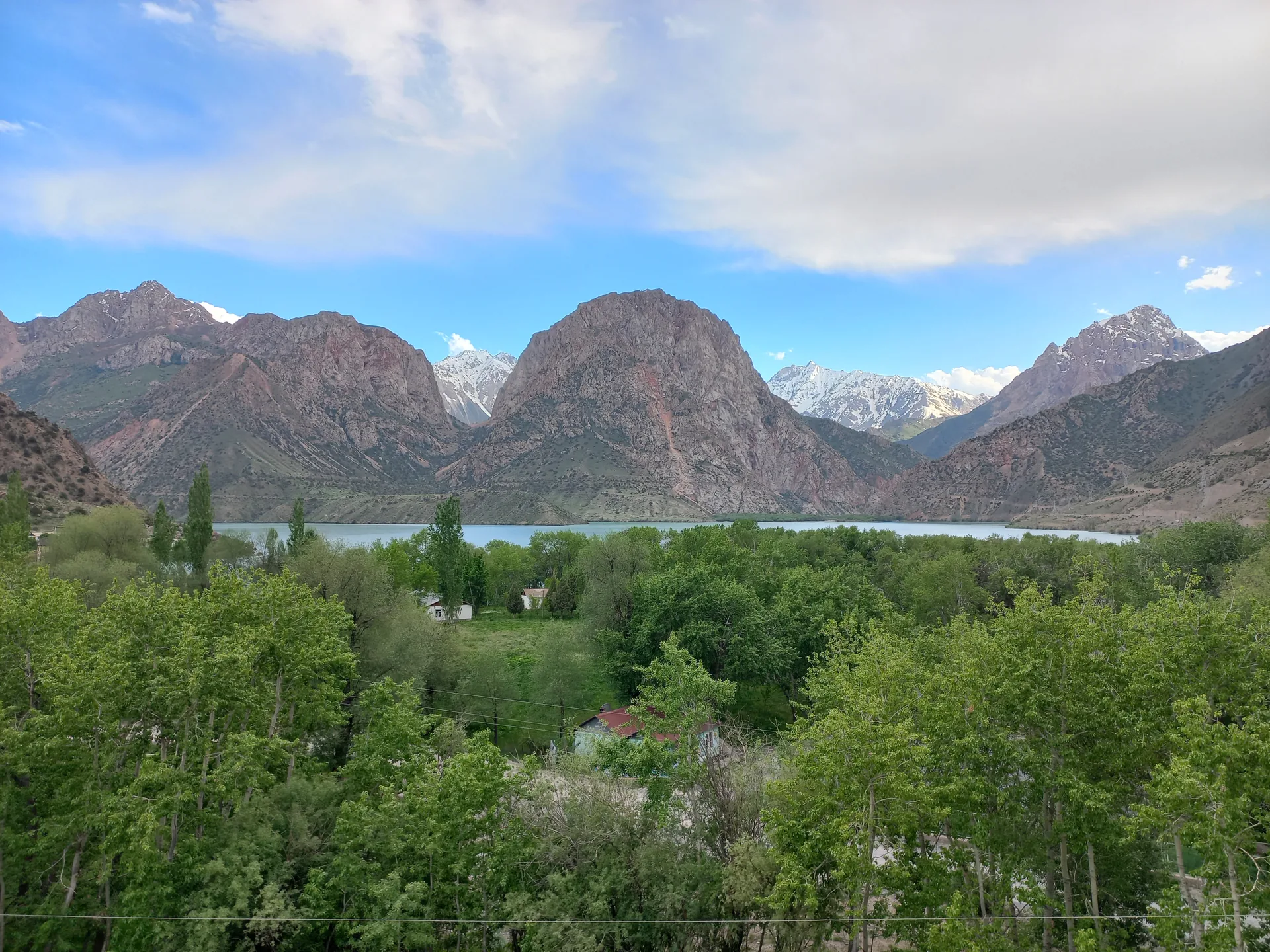
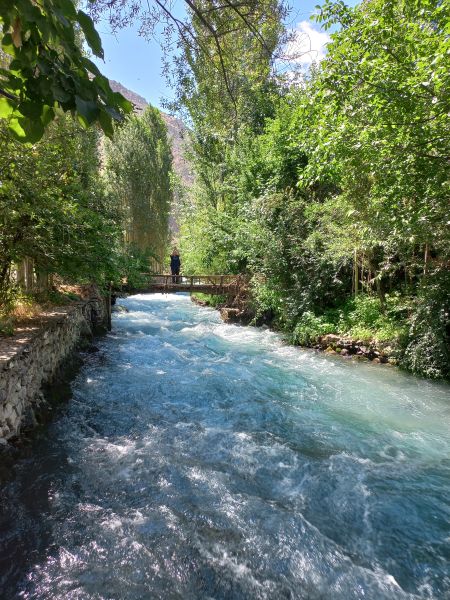
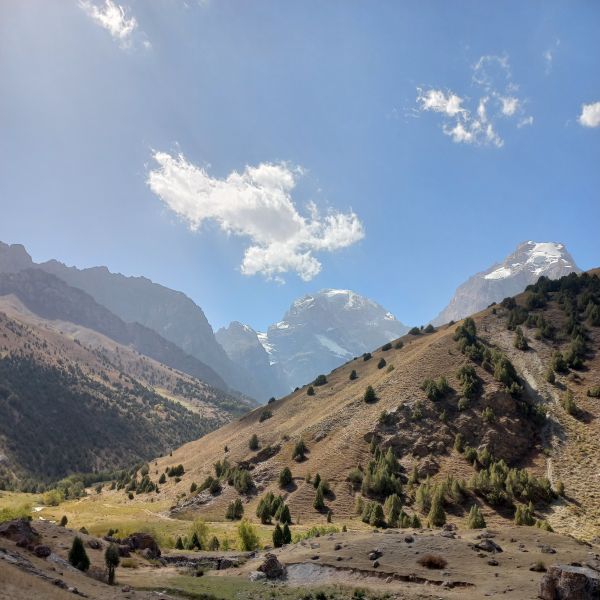
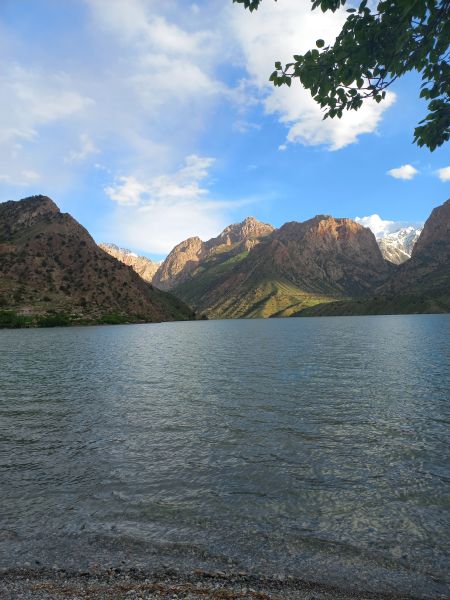
The Fann Mountains compress turquoise lakes, steep-sided valleys, high passes, and glacier-shaped basins into a compact range. You do not need expedition travel time to see dramatic mountain scenery here.
02
Real trekking variety
Travelers can compare short scenic hikes, 3 to 5 day lake circuits, and harder cross-range routes without leaving the region. That makes the Fann Mountains one of Tajikistan's most flexible trekking areas.
03
Mountain travel with cultural context
The western gateway through Panjakent adds Silk Road history, village life, and homestay culture to the mountain experience. Routes here can feel more connected to everyday life than a purely remote wilderness trek.